
Buying an investment property in Perth
Perth’s inner-city corridor has been an investor market for as long as we have been selling in it. Apartments, villas, and townhouses here are tightly held, simple to lease, and priced at a point where the numbers can actually work. This page covers what an investor needs to know before buying in WA right now: what the recent budgets changed, what stamp duty looks like when you are not a first home buyer, how depreciation and capital gains tax work, and what you take on the day you become someone’s lessor.
What the recent budgets changed
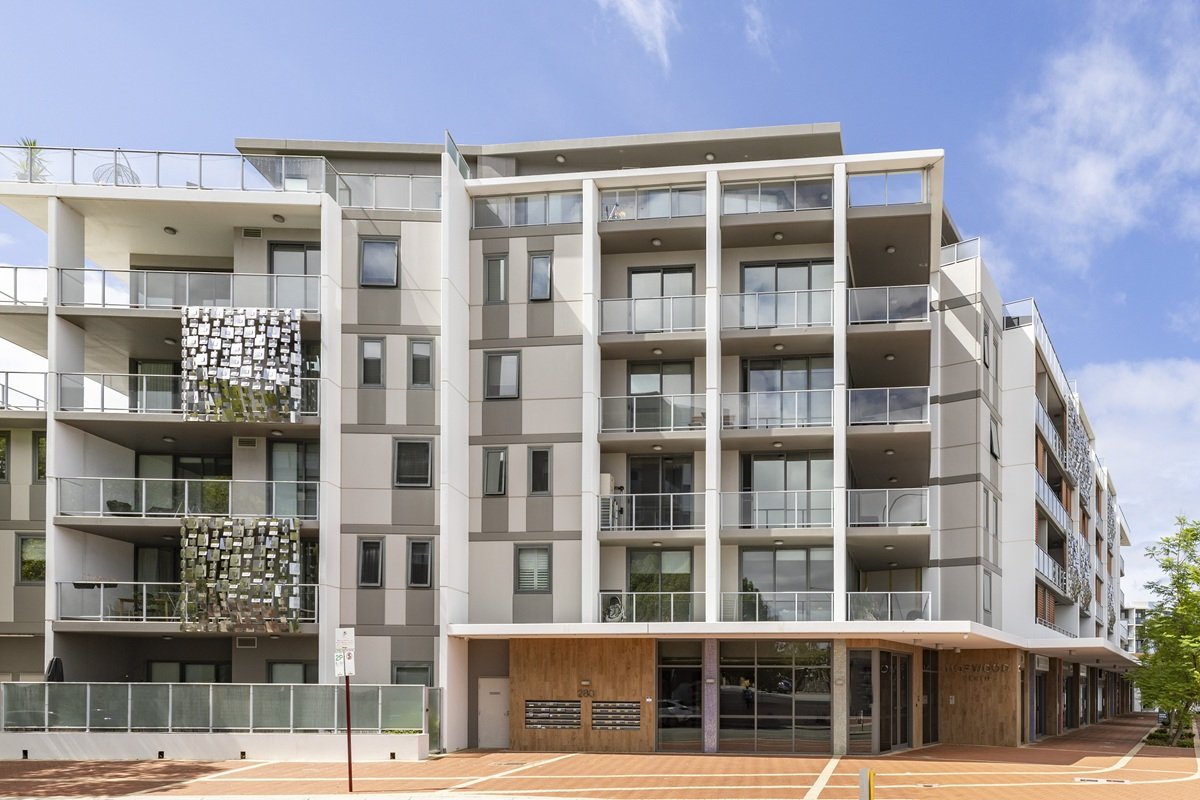
The 2026-27 WA Budget was mostly a first home buyer budget, lifting the nil-duty threshold on established homes to $600,000, and none of those concessions apply to investors. Two things in it matter to you anyway. First, the off-the-plan duty concession was extended to 30 June 2028 and is not restricted to owner-occupiers, so an investor buying an eligible apartment, townhouse, or villa under construction can pay substantially reduced duty, with a full concession available on pre-construction contracts up to $800,000. Second, the first home buyer thresholds set the competitive floor of the market: when your likely buyer on resale pays no duty under $600,000, that is worth knowing when you choose what to buy. At the federal level, the expanded First Home Guarantee and Help to Buy have pushed more first home buyers into exactly the unit stock investors also chase, which has consequences for both competition when you buy and demand when you sell.
Stamp duty for investors
Investors pay transfer duty at the general rate, with no concession for the first $600,000. On a $500,000 unit that is a five-figure cost, so budget for it from the start and run your numbers through our stamp duty calculator. Foreign investors pay an additional 7 per cent foreign buyer surcharge in WA, although the 2026-27 Budget introduced an exemption for foreign buyers who construct and sell dwellings within two years. Duty is payable on settlement and forms part of your cost base for capital gains tax later, so keep the assessment with your records.
Depreciation
What the 12 May 2026 budget changed. The 2026-27 federal budget limits negative gearing to new builds from 1 July 2027. For an established property bought after 7.30pm on budget night, rental losses can no longer be deducted against wages and other income, only against income or gains from residential property, or carried forward. Depreciation itself still exists on established property, but the deduction it creates is worth less if you cannot offset it against your salary. New dwellings were deliberately spared and keep depreciation in its most valuable form, because a new building has decades of capital works deductions ahead of it. Our blog post What the May budget really did to the Perth market sets out the detail.
Depreciation is the deduction most new investors underestimate. It comes in two parts. Capital works deductions, called Division 43, let you claim 2.5 per cent of eligible construction costs each year for 40 years on residential buildings constructed after September 1987, and that includes many of the apartment buildings and villa complexes through the inner-city corridor, as well as renovations previous owners carried out. Plant and equipment deductions, called Division 40, cover items like air conditioners, hot water systems, blinds, and carpets. Since the May 2017 changes, you generally cannot claim Division 40 on second-hand items that came with an established property; you can claim it on items you buy new yourself, and buyers of brand new properties can claim it in full. A quantity surveyor’s depreciation schedule usually costs a few hundred dollars, lasts the life of your ownership, and routinely pays for itself in the first year. Talk to your accountant about what your specific property supports.
Capital gains tax
When you sell an investment property, the gain is added to your taxable income in the year the contract is signed. Hold the property for more than 12 months and individual Australian resident owners generally receive the 50 per cent CGT discount. Your cost base includes the price you paid plus stamp duty, buying and selling costs, and capital improvements, reduced by the capital works deductions you have claimed, which is another reason to keep every record from day one. Run your own numbers, including the reformed rules that apply from 1 July 2027, with our capital gains tax calculator. If the property was ever your own residence, the main residence rules and the absence rule can shelter some or all of the gain, and the sums get detailed quickly. Get advice from your accountant before you sell, not after.
Your obligations to tenants
The Residential Tenancies Act was substantially reformed in 2024, and WA landlords now operate under clearer and stricter rules.
The basics
Rent can only be increased once every 12 months. Tenants can request pets, and consent can only be refused on limited grounds or with conditions. Tenants can make minor modifications, with your consent not to be unreasonably withheld. Bonds are lodged with the Bond Administrator, routine inspections are limited in frequency and require proper notice, and urgent repairs have statutory timeframes whether or not the timing suits.
Ending a tenancy and selling
A periodic tenancy needs 60 days notice without grounds, or 30 days where the property is sold and the contract requires vacant possession. A fixed term lease survives a sale: the buyer becomes the lessor and the tenant stays until the term ends. If you plan to sell, this is exactly where good management earns its keep, because a well documented, well maintained tenancy is an asset to an investor buyer and an obstacle to an owner-occupier buyer, and the selling strategy should be chosen accordingly. We wrote about the seller’s side of this on our Selling a Tenanted Property page.

Management is the difference
The gap between a good and a bad year on an investment property is rarely the market. It is arrears handled early, maintenance triaged properly, inspections done and documented, rent reviewed on schedule, and a tenant who is treated professionally and stays. That is the job of KPR Property Management. We manage apartments, villas, and townhouses across the same corridor we sell in, our owners deal with a senior property manager, and our online owner portal shows you everything without sending a single email. If your property is currently managed elsewhere, switching is simpler than most owners expect: see Switch Your Property Manager.

Under-rented properties are their own quiet problem, and their own opportunity. Our blog on tired units, cheap rent, and the $150,000 difference explains what years of below-market rent do to a property’s value, why self-managed rents drift, and why arms length management usually pays for itself.


KPR is not licensed to give tax advice and nothing on this page is tax advice. For your own position, speak to a registered tax agent. We refer clients to Evolve Accountants and Business Advisors in Subiaco.
Before you buy
Tell us what you are trying to achieve and we will tell you what the strata levies, the likely rent, and the buyer competition really look like on any property we have listed. Contact us to hear about investment grade stock early, often before it reaches the major property websites, or call us on 08 6385 6800.
Further reading
Two companion pieces on the blog: buying as an investor in Perth, the pros, the cons, and the fine print, and forty years of Perth unit prices, the full history of the yield cycle that governs this stock. See also tired units, cheap rent, and the $150,000 difference, on the renovation opportunity in under-rented stock, and our capital gains tax calculator.
This page is general information, not financial, legal, or tax advice. Duty, depreciation, CGT, and tenancy rules change and their application depends on your circumstances. Confirm your position with RevenueWA, the ATO, and your own adviser. Settings as at August 2026.
For what the May 2026 budget changed for investors, and what we are seeing in the market since, read what the May budget really did to the Perth market.