
Leda was farmland for more than a century before it was a suburb. Two farming families, a wartime radar station and a large nature reserve still mark its story.
How Leda got its name
Like several Kwinana suburbs, Leda is named after a ship. Landgate records that the brig Leda brought settlers to the Swan River Colony in January 1830. The name comes from the Greek story of Leda and the swan, which Landgate notes was a fitting name for a ship bringing colonists to the Swan River. Leda was approved as a suburb name on 18 March 1969.
Before the suburb
The City of Kwinana is on the traditional lands of the Nyoongar people. The City names Sloan’s Reserve in Leda, together with Chalk Hill and The Spectacles, as places used for camping, hunting and gathering.
European farming began here in the 1850s. Henry Mead bought land around 1854, with the purchase finalised in 1857, and his brother William joined him in the 1860s. William planted about 70 fig trees in 1860, and the family named the farm Lealholm after the Yorkshire village the brothers came from. The Meads farmed Lealholm for more than 130 years.
In 1880 George Samuel Sloan married Emma Eliza Smirk, the eldest daughter of early district settlers Thomas and Eliza Smirk. In 1889 the Sloans took up 40 acres between Thomas Peel’s estate and the coast, and grew potatoes and cabbages for the Fremantle markets.
How it grew
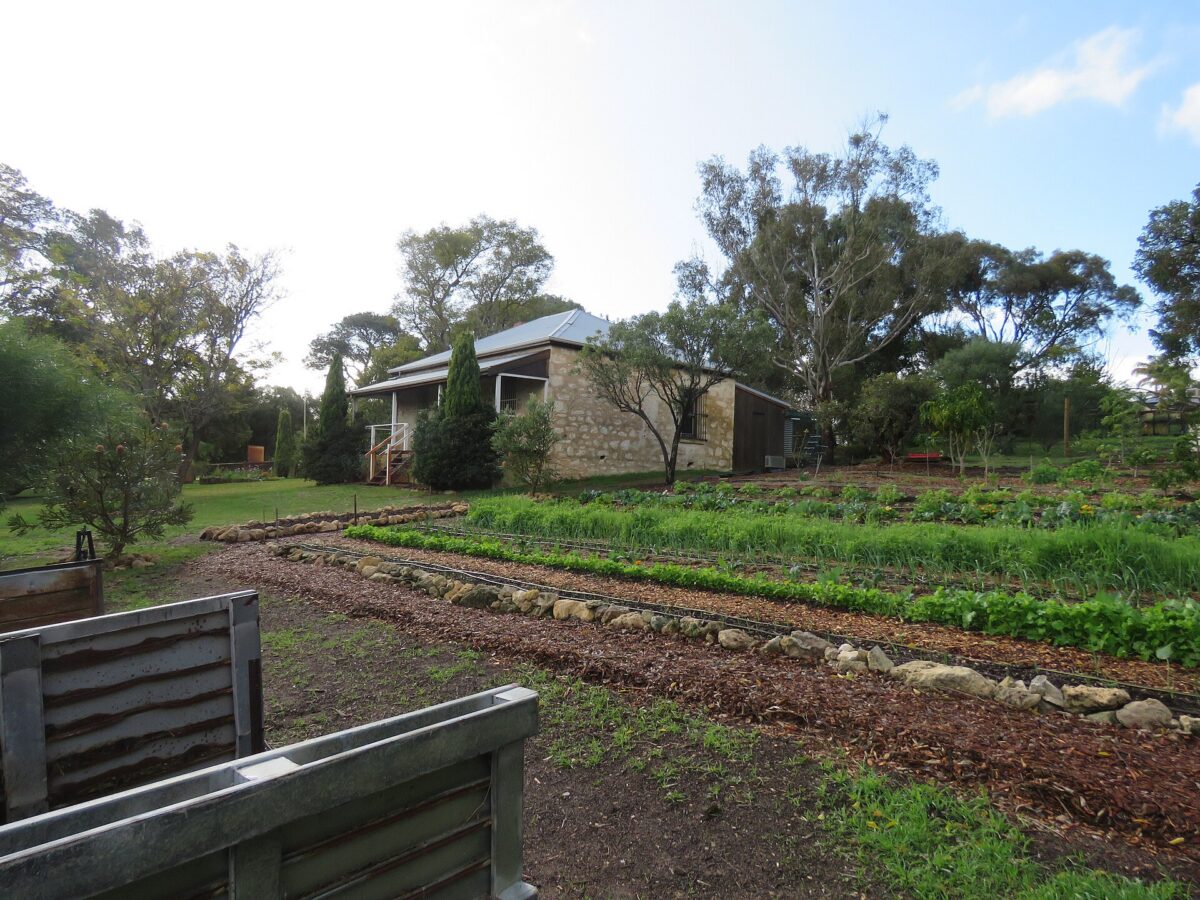
George Sloan and his sons Trevor and Melville built the cottage that still stands in 1911. After George’s death Trevor ran the farm with his wife Florence, bought more land nearby, and lived in the cottage until about 1954, when the Kwinana council took over the building. Farming on the swamp land stopped in the 1950s.
Kwinana’s industrial growth in the 1950s brought new housing to the area. Part of the Mead property was resumed in the early 1950s for the new suburb of Medina, and the Mead family sold the rest to the government in 1989.
Much of the Crown land around the wetland was released for residential subdivision in 1977, and in December 1994 Leda Reserve was gazetted as an A class reserve for flora and fauna conservation.
Places that tell the story
Sloan’s Cottage on Wellard Road stood empty and was badly vandalised by the early 1970s. Deputy Mayor Wally Procter led the work to save it between 1973 and 1978, a conservation plan followed in 1993, and further conservation works were carried out after 2014. It is now a museum and community space.
Mead Homestead on Mead Road has been on the State Register of Heritage Places since 27 August 1999.
On Wellard Road in Leda stand concrete huts believed to date from the Second World War and linked to No. 228 Radar Station of the RAAF, which was formed at Subiaco on 24 May 1943 and moved to East Rockingham that August. It was staffed mostly by members of the Women’s Auxiliary Australian Air Force, operated an air warning radar, and stopped operating in February 1945. Three bunkers and the footings of two radar towers remain, with a plaque placed by RAAF radar veterans and the Town of Kwinana.
Leda today
Leda is now a suburb of houses between the Kwinana town centre and Wellard, with Leda Primary School and Leda Education Support Centre on Feilman Drive and the nature reserve along its edge.
More about Leda
For what Leda is like to live in now, read our Leda suburb profile. If you own a property in Leda and are thinking about selling, start with buyers for your property.
Sources
- Landgate: Perth and surrounds suburb names (archived 2022)
- inHerit: Sloan’s Cottage, Leda
- inHerit: Leda West (including Sloan’s Reserve)
- inHerit: Mead Homestead
- inHerit: Radio Communication Centre, Wellard Road, Leda
- City of Kwinana: History and heritage
- History Council of WA: Mead farm, Leda (2019)
Top image: The view north-east from Kwinana Lookout in Leda, over Leda and Calista, August 2019. Photo: Calistemon, CC BY-SA 4.0, via Wikimedia Commons.
Dates and names are drawn from the sources above. Where sources differ, we have said so or given an approximate date.
By Key Performance Real Estate, 338 Beaufort Street, Perth
Category
Suburb Histories
Related Posts
Get an up-to-date, obligation-free market appraisal
Get our professional, obligation-free opinion of your property’s value, with advice on how and when to sell.
