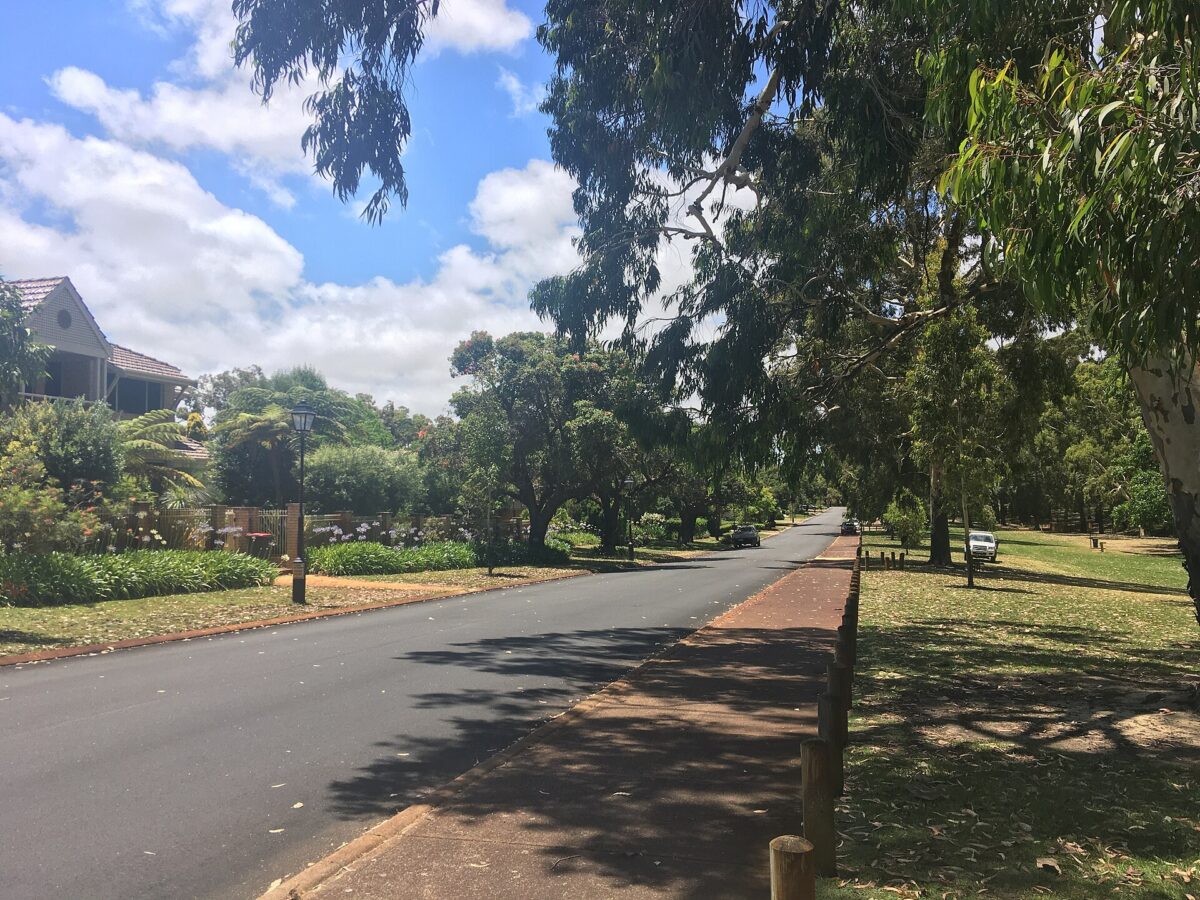
Daglish began with a railway platform in 1924 and a council land release the following year. Its curving streets, inter-war houses and parks built over a drainage basin still show how it was planned.
How Daglish got its name
Landgate records that the name honours Henry Daglish, who was elected member for Subiaco in 1901 and was Premier of Western Australia in 1904 and 1905, also serving as Treasurer and Minister for Works. He was Mayor of Subiaco in 1903 and 1904 and again in 1906 and 1907. The name was first given to Daglish Station, which opened in 1924, and Landgate notes that a townsite of Daglish was declared in 1928. The City of Subiaco’s heritage walk adds that he came to Western Australia in the 1890s after losing his job in the Victorian Public Service.
Before the suburb
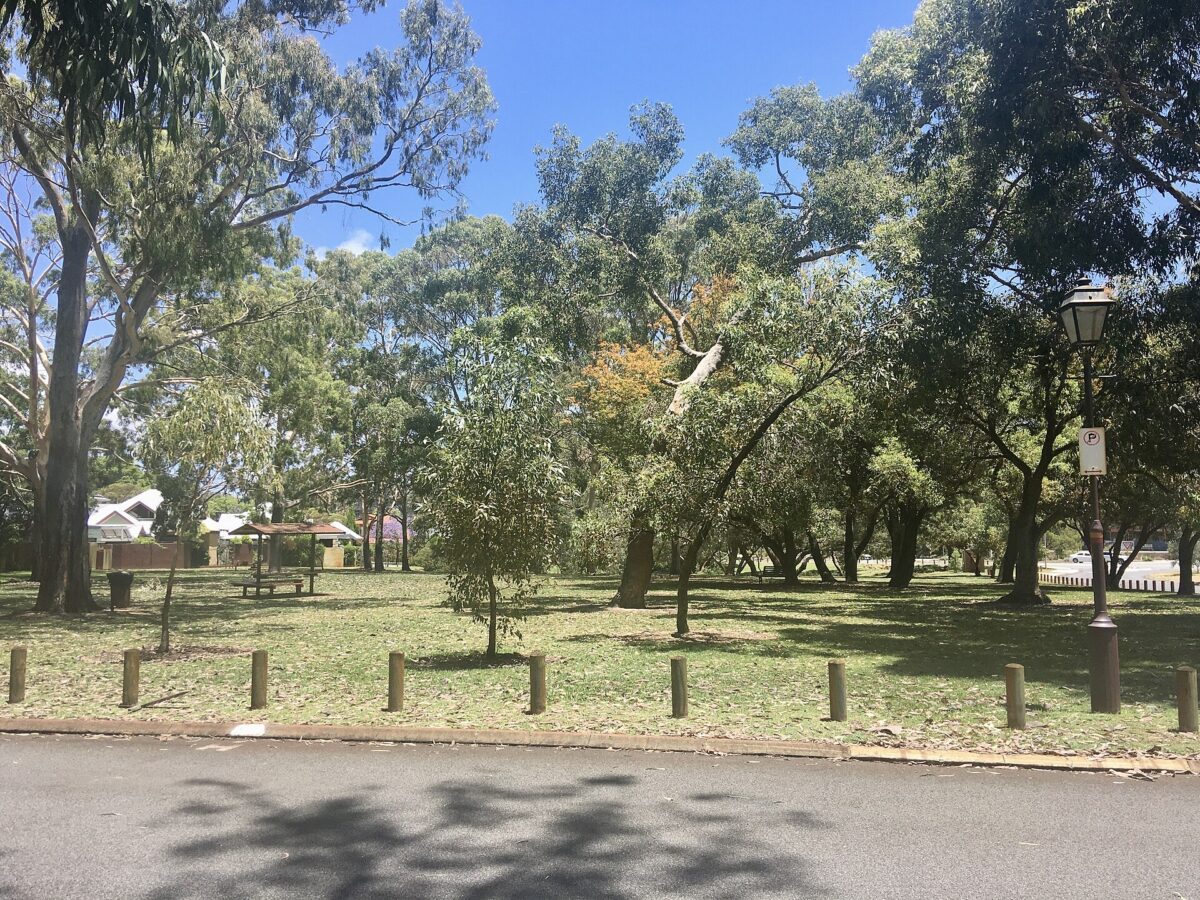
The Fremantle to Guildford railway, which opened in 1881, passed through the area long before there was a station here. The City of Subiaco’s walk notes that the area’s wetlands were significant to the Noongar people, the traditional owners. The ground where Cliff Sadlier VC Memorial Park now lies was part of a natural low-lying drainage area.
How it grew
In 1925 the Subiaco council acquired railway reserve land beside the new platform for a suburb. The first release that year was bounded by Stubbs, Robinson, Troy and Cunningham Terraces and Millington Avenue. The streets nearest the station were developed first, from about 1930 to 1935: Stubbs Terrace, then Munsie, McCallum, Lutey, Wilcock and Richardson. Troy, Robinson and Cunningham followed between about 1935 and 1945.
Daglish was planned as a garden suburb, with crescents in its street pattern and large blocks. In the 1930s the Workers’ Homes Board extended the subdivision and built workers’ houses. inHerit records that many early buyers were young couples buying a first house, and many were railway workers who could reach the Midland workshops by train. Large blocks, the rail link, central shopping and the nearness of King Edward Memorial Hospital made it dearer than neighbouring West Subiaco, now Shenton Park.
Local ratepayers asked for a tennis reserve, and the Hickey Avenue courts were opened by Mayor G. H. Olney on 21 March 1931. A 1934 drainage scheme for Subiaco included compensating basins to hold floodwater, and the Daglish basin later became Cliff Sadlier VC Memorial Park and Charles Stokes Reserve. Adjoining University Endowment Lands were subdivided in the early 1960s, and northern Daglish was built up quickly in the 1970s.
The City of Subiaco adopted the Daglish Conservation Area on 4 February 2003, and the National Trust of WA classified it on 11 April 2019.
Places that tell the story
Daglish Station, opened in 1924, came before the suburb and gave it its name. Cliff Sadlier VC Memorial Park on Cunningham Terrace honours Lieutenant Clifford Sadlier, who lived at 127 Stubbs Terrace and was awarded the Victoria Cross for his actions at Villers-Bretonneux in 1918. The City of Subiaco put up the memorial on 21 September 1980. Charles Stokes Reserve, established in 1989, is named after Sergeant Charles Stokes, awarded the Distinguished Conduct Medal for the same action.
Daglish Tennis Club at 11 Hickey Avenue, formed in 1930, still plays on three grass courts beside red brick clubrooms built in 1980.
Daglish today
The 2021 Census counted 1,551 people in Daglish. The streets around the station are still lined with the inter-war bungalows of the 1930s and 1940s, and the station named after a former premier still serves both the Fremantle and Airport lines.
More about Daglish
For what Daglish is like to live in now, read our Daglish suburb profile. If you own a property in Daglish and are thinking about selling, start with buyers for your property.
Sources
- Landgate: Perth and surrounds suburb names (archived 2022)
- inHerit: Daglish Conservation Area
- inHerit: Cliff Sadlier VC Memorial Park
- City of Subiaco: Heritage place record, Reserve 20246 and Daglish Tennis Club
- City of Subiaco: Jolimont and Daglish heritage walk
- ABS 2021 Census QuickStats: Daglish
Top image: Cliff Sadlier VC Memorial Park, Daglish, 2021. Photo: Steelkamp, CC BY-SA 4.0, via Wikimedia Commons.
Dates and names are drawn from the sources above. Where sources differ, we have said so or given an approximate date.
By Key Performance Real Estate, 338 Beaufort Street, Perth
Category
Suburb Histories
Related Posts
Get an up-to-date, obligation-free market appraisal
Get our professional, obligation-free opinion of your property’s value, with advice on how and when to sell.