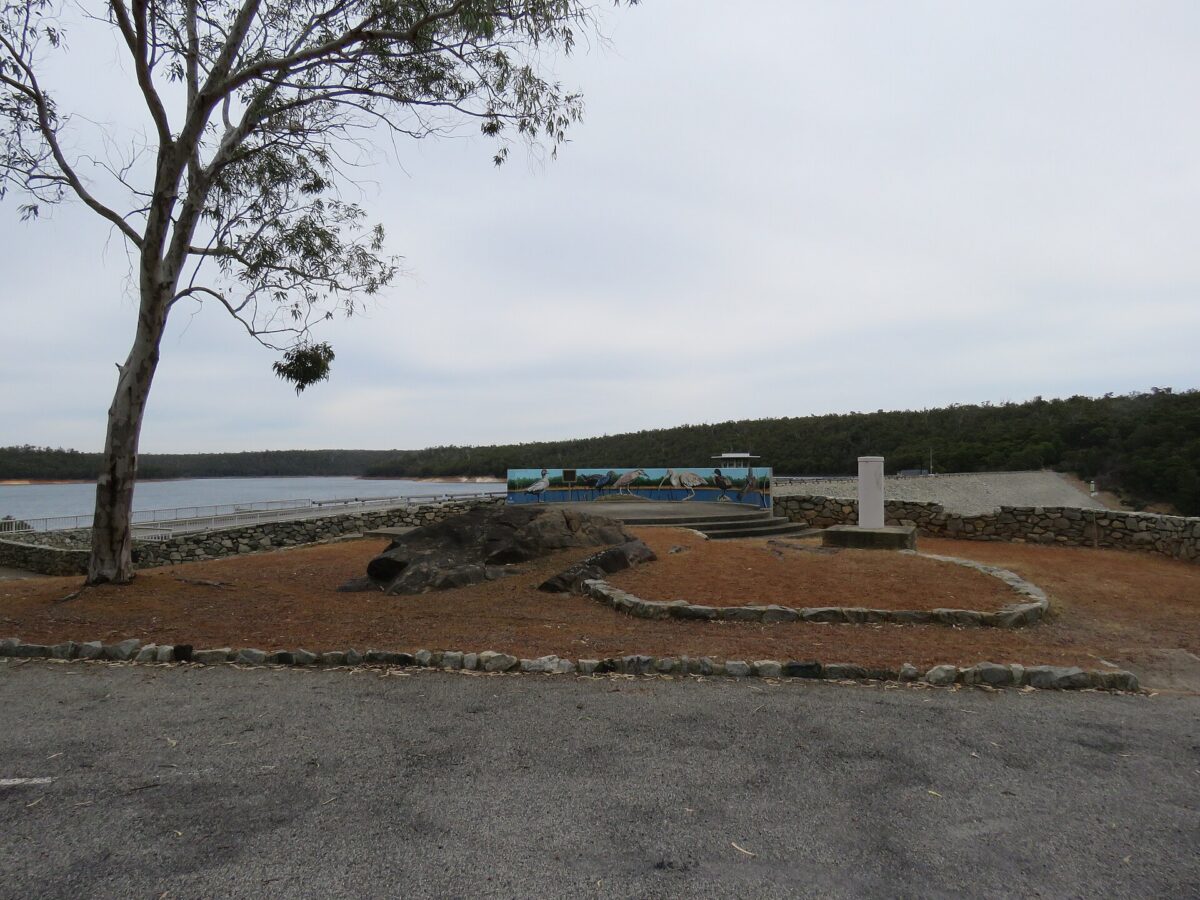
Bedfordale was named after a Governor of Western Australia, and its first main street after his rank. The old Albany Road, the orchards and two Hills Scheme dams tell the rest of the story.
How Bedfordale got its name
Landgate records that Bedfordale is named after the townsite within it, which was named after Admiral Sir Frederick Bedford, Governor of Western Australia from 24 March 1903 to 22 April 1909. Governor Bedford chose the street names to commemorate famous admirals, and Admiral Road became the main street of the townsite. The City of Armadale’s timeline records that the Kelmscott Road Board named the area in 1903. The City’s index of road and locality names records that the townsite was gazetted on 15 December 1905. Bedfordale was declared a locality on 29 August 1980.
Before the suburb
This is Noongar country, within the Whadjuk region.
European traffic came by road. The City of Armadale’s library history says a road from Kelmscott to Albany was built in 1836. It was first called King George’s Sound Road, then the Albany Road, and is now Albany Highway.
How it grew
Bedfordale Hall opened in 1895 on the corner of Admiral Road and Albany Road, ten years before the townsite was gazetted. From 1893 orchards were planted in the hills around Bedfordale, Roleystone and Karragullen. One was the Illawarra Orchard Company, managed by Thomas Price, who led the first trial shipment of Western Australian apples to England in 1907.
In 1909 Bedfordale became one of five wards in the district, with Kelmscott, Roleystone, Armadale and Beenup. Services arrived late. When electricity reached most of the district in 1948, Bedfordale was one of the areas left out, and houses there were connected in 1955.
The township celebrated its centenary on 11 December 2005.
Places that tell the story
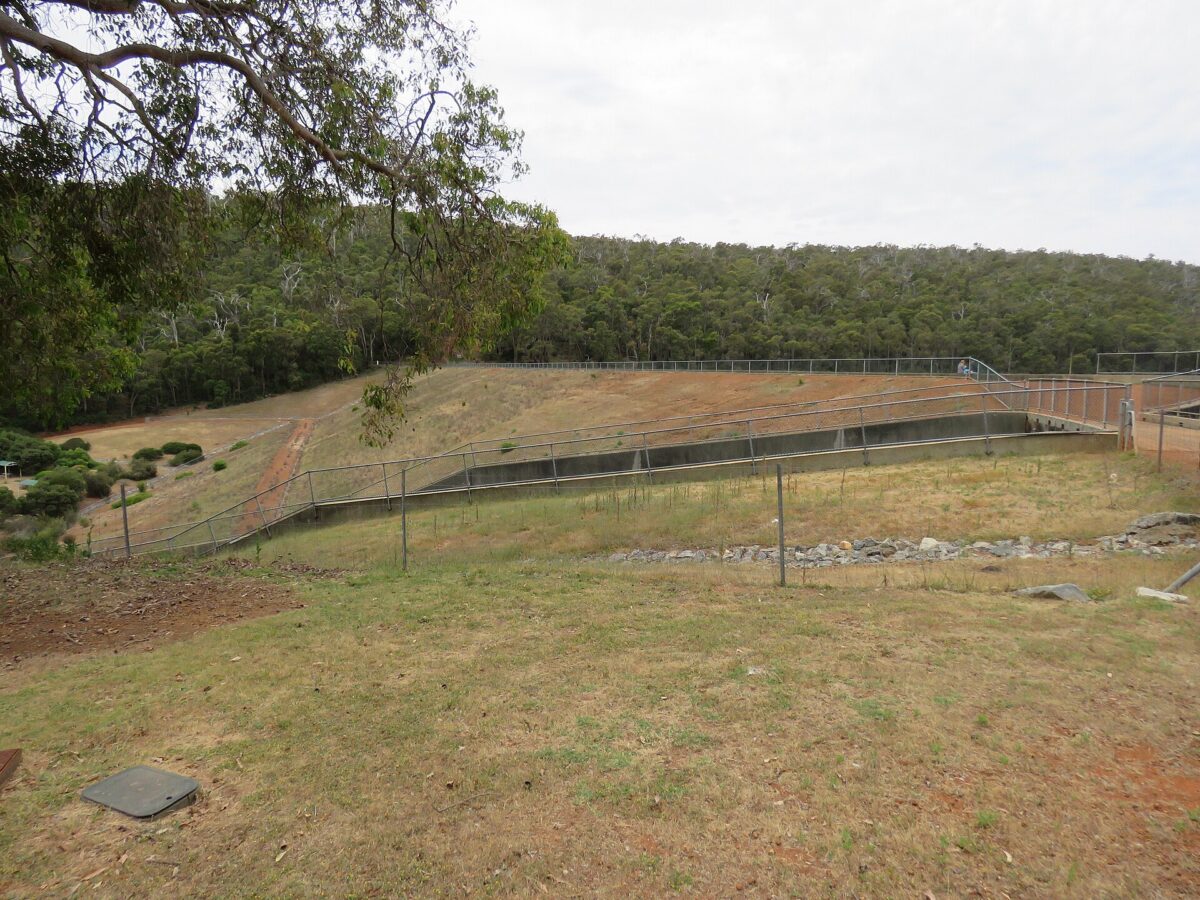
Churchman Brook Dam came out of the Hills Scheme, announced in 1924 after Perth residents protested about water shortages in the summer of 1923. inHerit records that work started with a pipe-head diversion on 25 February 1925 and the earthfill dam was finished in 1929, with workers clearing the reservoir site by hand.
Wungong Dam began as a small concrete pipe-head dam in 1925, also part of the Hills Scheme. Plans for a bigger dam there were set aside in the 1930s when Canning Dam was built instead. The present dam was built from 1975 to 1979, with four landslides in 1977 and 1978 causing delays.
Willow Heights was built in 1936 on Albany Highway as a meeting place for Exclusive Plymouth Brethren living in Bedfordale. When Main Roads WA widened the highway in 1997, the building was moved to the Armadale Settlers Common, where it is now an education centre.
Bedfordale today
The original townsite’s main street is still in use, and a new Bedfordale Volunteer Bushfire Brigade building opened there in May 2021. inHerit records both dams as still supplying Perth’s water.
More about Bedfordale
For what Bedfordale is like to live in now, read our Bedfordale suburb profile. If you own a property in Bedfordale and are thinking about selling, start with buyers for your property.
Sources
- Landgate: Perth and surrounds suburb names (archived 2022)
- City of Armadale: Index of origin of road and locality names (archived copy)
- City of Armadale Library: Historical timeline
- City of Armadale Library: European settlement
- inHerit: Churchman Brook Dam
- inHerit: Wungong Dam
- inHerit: Willow Heights
Top image: Wungong Dam, Bedfordale, November 2024. Photo: Calistemon, CC BY-SA 4.0, via Wikimedia Commons.
Dates and names are drawn from the sources above. Where sources differ, we have said so or given an approximate date.
By Key Performance Real Estate, 338 Beaufort Street, Perth
Category
Suburb Histories
Related Posts
Get an up-to-date, obligation-free market appraisal
Get our professional, obligation-free opinion of your property’s value, with advice on how and when to sell.