
Maylands has one of the longest European histories in Perth, and some of its most surprising. It holds one of the oldest surviving houses in the metropolitan area and was the landing point of Australia’s first transcontinental air service.
How Maylands got its name
The name appeared on real estate plans in the late 1890s. Mephan Ferguson set up a pipe factory near the railway and called the area Falkirk, after his birthplace in Scotland, and the railway siding was known as Falkirk. The station was renamed Maylands in September 1899. Why Maylands was chosen is, in the words of the Maylands Historical and Peninsula Association, a source of conjecture among historians.
Before the suburb
The City of Bayswater’s thematic history describes the Maylands peninsula and riverside as logical sites of Noongar occupation.
How it grew
Most lots in Eighth Avenue were approved for subdivision in 1897. The City of Bayswater records that the population rose from fewer than 100 to more than 1,000 between 1900 and 1903, as Maylands grew into a working suburb around the station and the pipe works. Shops clustered around the station through the early 1900s and the inter-war years.
Places that tell the story
Tranby House, built between 1836 and 1839 for Joseph Hardey as Peninsula Farm, is one of the oldest surviving residences in the Perth metropolitan region and is on the State Register.
The Maylands Aerodrome opened on land acquired in 1923. Air services began in 1924, Australia’s first transcontinental air service flew from Maylands in 1929, and the aerodrome closed in 1963. Part of the site later became police facilities.
The Peninsula Hotel on Railway Parade dates from about 1906.
The former Institute for the Blind, whose foundation stone was laid in 1898, is now the West Australian Ballet Centre.
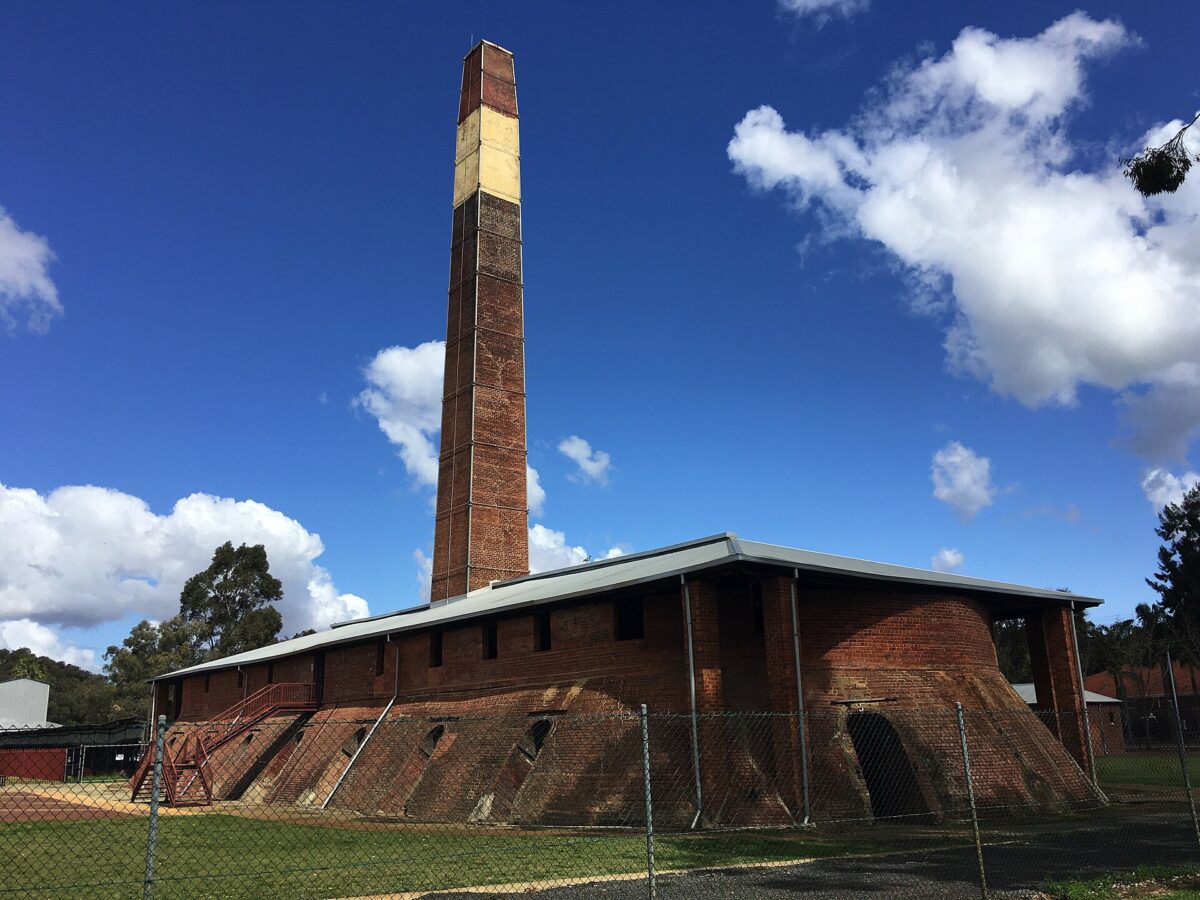
The Maylands Brickworks holds the last remaining Hoffman kiln in Western Australia.
Maylands today
Since 2000, new housing has concentrated around Maylands station, adding apartments and townhouses to the suburb’s older houses.
More about Maylands
For what Maylands is like to live in now, read our Maylands suburb profile. If you own a property in Maylands and are thinking about selling, start with buyers for your property.
Sources
- inHerit: Maylands Town Centre
- Maylands Historical and Peninsula Association: Maylands snapshot
- City of Bayswater: thematic framework (2020)
- inHerit: Tranby House
- inHerit: Maylands Aerodrome (former)
- City of Bayswater: local history
Dates and names are drawn from the sources above. Where sources differ, we have said so or given an approximate date.
By Key Performance Real Estate, 338 Beaufort Street, Perth
Category
Buying
Related Posts
Get an up to date obligation free market appraisal
One of our agents will visit your property to provide a professional, obligation-free market appraisal.