
Balcatta was market gardens for most of its history. Its industrial area and its houses came later, but a few older places still tell the earlier story.
How Balcatta got its name
The City of Stirling records that the name comes from Aboriginal words, bal (his) and katta (hill), first recorded by Alexander Forrest in 1877 and referring to the northern part of Careniup Swamp. It first appears on John Charles Mews’ 1888 offer to sell the land.
How it grew
The area was part of the Walters grant of 1840. Samuel Moore received 780 acres in 1844, and after he died in 1875 John Charles Mews bought the land. The City of Stirling records that Balcatta was mostly market gardens until the 1960s and 1970s, when industry moved in and blue-collar workers settled nearby.
Places that tell the story
The stone cottage at 139 Balcatta Road, also known as Bestry or Duffy Cottage, dates from between 1880 and 1900 and is on the State Register.
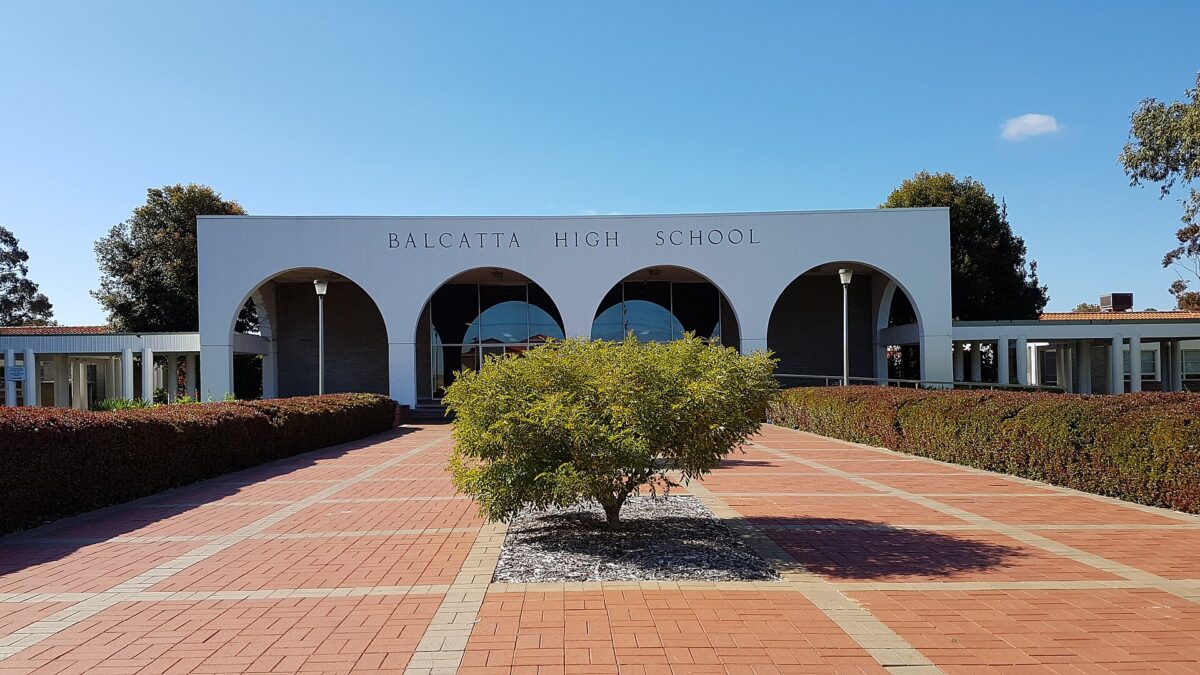
Balcatta Senior High School was built between 1966 and 1969 and is on the State Register.
Limestone pinnacles in the school grounds were uncovered in the 1930s and 1940s as the sand around them was dug out.
Balcatta today
Balcatta’s industrial area is now a regional employment centre, and its residential streets are made up mainly of houses from the 1960s on.
More about Balcatta
For what Balcatta is like to live in now, read our Balcatta suburb profile. If you own a property in Balcatta and are thinking about selling, start with buyers for your property.
Sources
Dates and names are drawn from the sources above. Where sources differ, we have said so or given an approximate date.
By Key Performance Real Estate, 338 Beaufort Street, Perth
Category
Buying
Related Posts
Get an up to date obligation free market appraisal
One of our agents will visit your property to provide a professional, obligation-free market appraisal.